

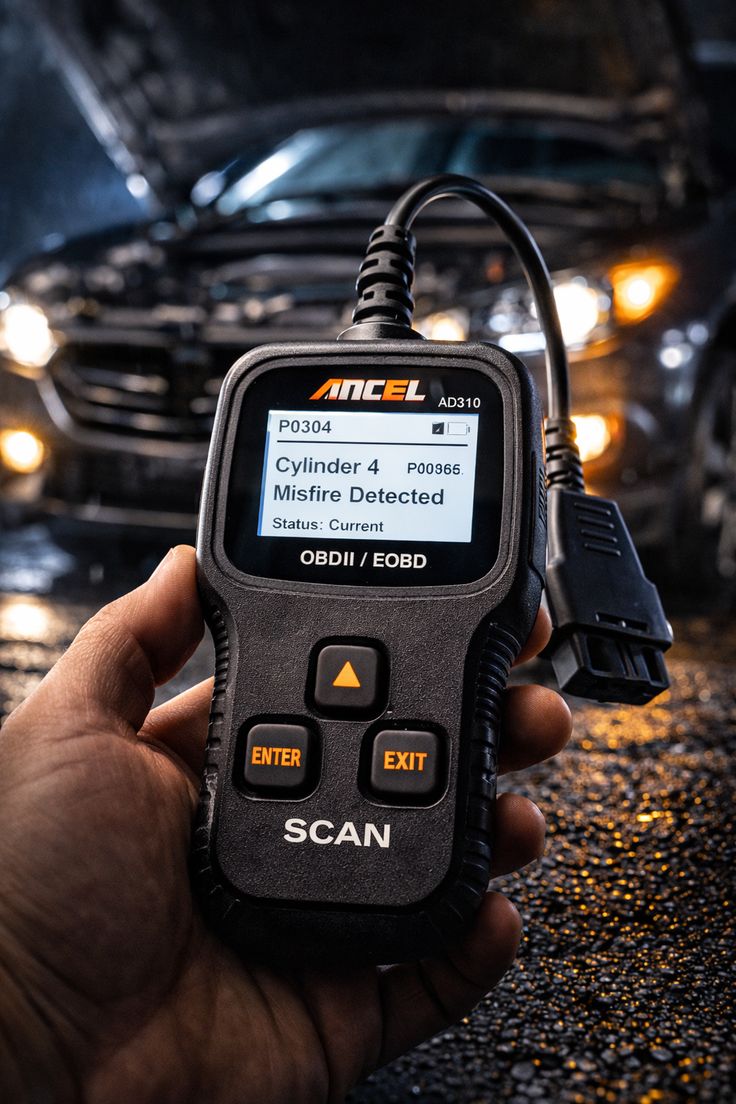
The modern vehicle is a marvel of digital engineering, relying on a complex network of silicon to function reliably. At the center of this intricate network sits the main CPU Processor IC, which serves as the primary brain calculating every variable in real time. But this central processor cannot operate in isolation; it relies heavily on the Car EEPROM IC to store permanent data, ensuring the vehicle retains its unique identity and security codes even when the main battery is disconnected.
Together, these highly specialized integrated circuits form the digital architecture that governs everything from fuel delivery to advanced emissions controls. Understanding how these specific components interact is essential for professional automotive diagnostics and high-end board-level repair.
Data Storage and Logic Processing
When a vehicle is started, the CPU Processor IC instantly begins requesting security clearances and operational parameters. This is where the non-volatile memory of the Car EEPROM IC becomes critical. It holds the immobilizer data, the vehicle identification number, and specific factory calibration maps. If the Car EEPROM IC becomes corrupted due to voltage spikes or physical damage, the vehicle will typically suffer from a complete no-start condition.
Professional tuners and repair technicians frequently interact with the Car EEPROM IC when cloning a damaged board or backing up original factory settings before a software modification. Without this permanent memory acting as a secure vault, the CPU Processor IC would have no baseline parameters or security handshakes to operate from, rendering the entire engine management system useless.
Timing and Rotational Synchronization
For an internal combustion engine to run efficiently, the computer system must know the exact mechanical position of the internal components at all times. This monumental task is handled by the Rotational Speed IC, a specialized chip designed to interpret raw analog signals from the crankshaft and camshaft position sensors.
The Rotational Speed IC translates these analog magnetic pulses into a clean, readable digital square wave. Once this signal is refined and filtered for electrical noise, it is sent directly to the CPU Processor IC so that fuel injection and spark timing can be calculated with microsecond precision. If a vehicle experiences erratic RPM readings, hard starting, or sudden stalling at idle, a failing Rotational Speed IC is often the culprit, as it disrupts the vital timing data required for smooth mechanical operation.
Executing Physical Commands
Data and logic are entirely useless without the ability to perform physical work. This execution phase is the domain of the ECU Driver IC. Once the main brain calculates the necessary fuel trim and ignition advance, it sends a low-voltage logic signal to the ECU Driver IC.
This component acts as an electrical amplifier, converting delicate digital logic into the high-current electrical pulses needed to physically open heavy fuel injectors, trigger ignition coils, or actuate transmission solenoids. Because the ECU Driver IC handles significant electrical loads, it generates substantial heat and is usually mounted securely against an aluminum heat sink. A burnt or shorted ECU Driver IC will typically result in a dead cylinder, a misfire, or a completely unresponsive actuator.
See More : >250+ Cute Baby Birth Announcement Captions for Instagram
Advanced Diagnostics and Board-Level Repair
When diagnosing a faulty control module, professional automotive electronic engineers rarely replace the entire unit immediately. Instead, they isolate the specific integrated circuit that has failed on the motherboard. This component-level repair process is highly efficient and involves several key diagnostic steps:
- Checking the Rotational Speed IC for missing or distorted square wave outputs using a digital oscilloscope.
- Verifying that the ECU Driver IC is properly grounding the high-current actuator circuits under load.
- Extracting hexadecimal data from the Car EEPROM IC to successfully clone the original immobilizer security data to a refurbished donor board.
- Testing the CPU Processor IC clock speeds and power supply lines to ensure the main logic board has not frozen.
By targeting a specific failing Rotational Speed IC or desoldering a blown ECU Driver IC, technicians can save their clients thousands of dollars in dealership replacement and reprogramming costs while maintaining the vehicle’s original identity.
Conclusion
The flawless operation of a modern powertrain is a beautifully orchestrated symphony of digital communication. The permanent, secure memory stored within the Car EEPROM IC provides the necessary foundation, allowing the CPU Processor IC to make complex, split-second decisions based on live sensor data.
Meanwhile, the flawless synchronization provided by the Rotational Speed IC ensures perfect mechanical timing, while the ECU Driver IC provides the heavy-duty electrical muscle required to execute those rapid-fire commands. Understanding the distinct roles of these specific components empowers automotive technicians to perform highly accurate, sustainable board-level repairs, keeping sophisticated vehicles running securely at their absolute peak.
